


The PRISMA Project

PRISMA – Photonics for Railway Infrastructure: Smart Maintenance and Assessment – is a research project aimed at advancing predictive diagnostics for railway infrastructure through the integration of photonic sensing technologies.

The project is based on two key principles. First, predictive diagnostics systems can significantly improve both safety and economic efficiency in infrastructure management. Second, fiber optic sensing represents an enabling technology for advanced monitoring, although its adoption requires dedicated solutions to ensure robustness, reliability, and ease of integration in real environments.

PRISMA addresses these challenges by developing an integrated approach that combines sensing hardware, numerical modeling, and data analysis, enabling continuous and reliable monitoring of critical railway components.
The University

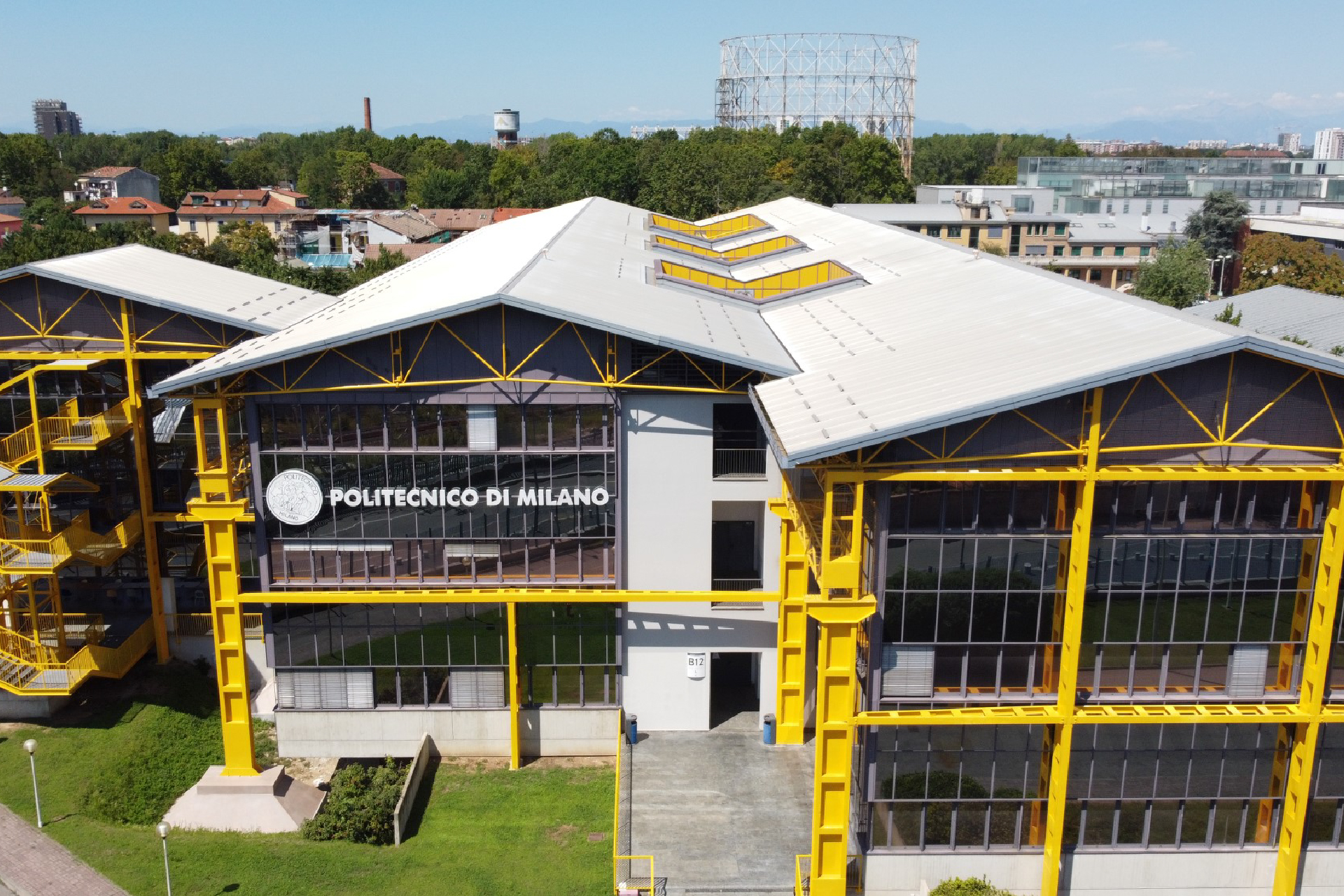
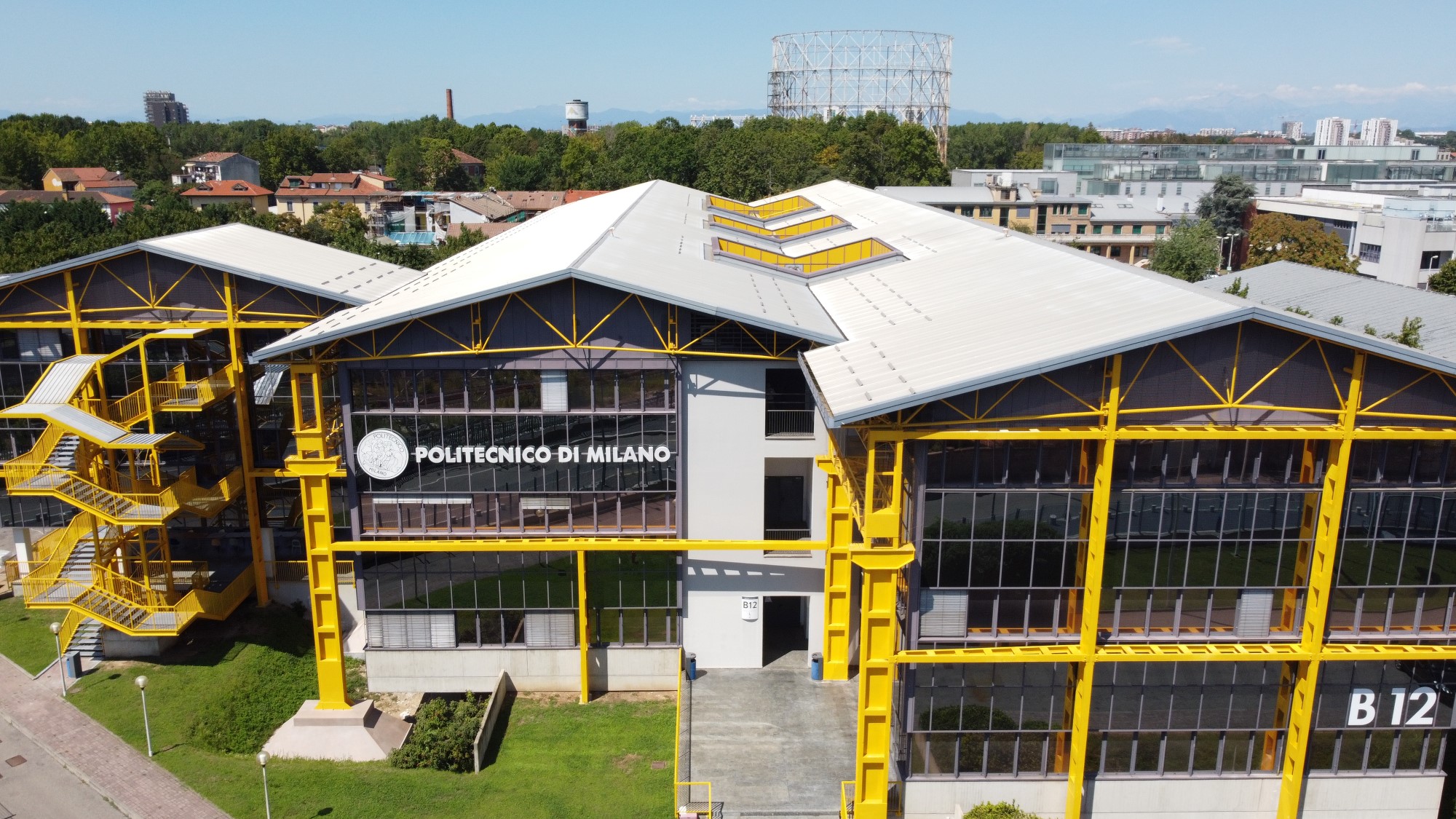
Politecnico di Milano DAER

The project is led by the Department of Aerospace Science and Technology (DAER) at Politecnico di Milano. DAER is the only university department in Italy entirely dedicated to aerospace engineering and represents a key pillar of Politecnico di Milano’s engineering excellence. ​

  • Internationally recognized for advanced research in aeronautics and space, the Department operates in close collaboration with industry and European research networks. ​

  • Within DAER, PRISMA is developed in the framework of the AMATECH research group. The group develops multifunctional composite structures and smart material systems, with research activities including structural health monitoring based on fiber optic and piezoelectric sensors, self-healing composite systems, and morphing or deployable structures enabled by smart materials such as shape memory alloys and piezoelectric actuators.​

  • Research also addresses sustainable and alternative solutions, including recycling strategies and advanced manufacturing technologies.

Principal Investigator

Prof. Paolo Bettini

Prof. Paolo Bettini is Associate Professor of Aerospace Materials and Technologies at Politecnico di Milano and Principal Investigator of the PRISMA project.

  • His research activity focuses on advanced materials and technologies, with particular emphasis on smart materials, smart structures, and composites.

  • He has extensive experience in multidisciplinary research projects across aerospace, oil & gas, automotive, and civil engineering sectors, collaborating with major industrial partners and research institutions including Leonardo, Prysmian, CNR, and CIRA.

  • He is the author of more than 150 scientific publications, holds 5 patents, and has supervised over 140 MSc and PhD theses. Since 2018, he has been a reference expert for the Italian Space Agency (ASI) on advanced materials for space applications.

The Industry

GCF – Generale Costruzioni Ferroviarie

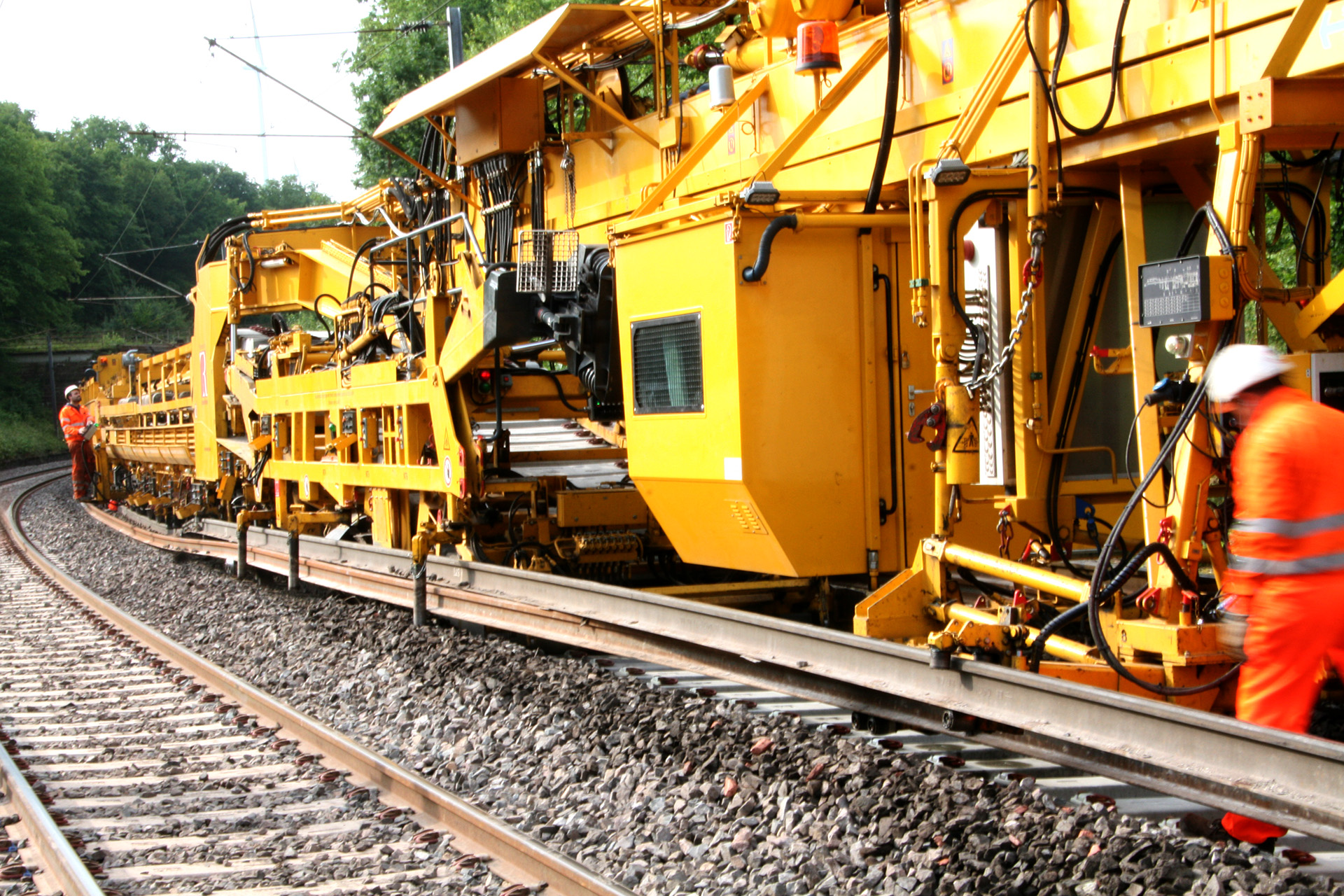
PRISMA is developed in collaboration with GCF – Generale Costruzioni Ferroviarie, a leading Italian company in railway infrastructure construction and maintenance. This collaboration ensures a strong focus on real-world applications and supports the validation of the developed technologies in industrial environments.

  • GCF – Generale Costruzioni Ferroviarie S.p.A., established in 1950 as a privately owned enterprise by Attilio and Luigi Rossi and initially specialized in railway track works, is today the flagship company of the Rossi Group.

  • With more than 75 years of activity and experience, the company has consolidated its position in the Italian railway market and strengthened its presence at both European and international levels.

  • Its 10 Italian sites and 9 international branches represent a key reference point for clients and partners, who recognize in GCF an operational model capable of delivering very high standards of productivity, safety, and quality across all railway and metro track works, including renewal and rehabilitation, maintenance, electric traction, and railway signalling.

  • Over the past decade, GCF has invested in R&D projects to develop railway infrastructure diagnostic systems based on fiber sensing technology, where optical fiber functions both as a data transmission medium and as a sensing element. The company has strengthened its expertise in system development by integrating commercial components and creating proprietary solutions. Its multidisciplinary team continues to evolve to ensure the reliability required for critical transport infrastructure monitoring.

  • The team dedicated to diagnostic projects currently consists of 13 engineers and leverages the company’s broader expertise in the design and construction of infrastructure (track systems, electric traction, and signalling) to develop fully functional and highly effective diagnostic systems.